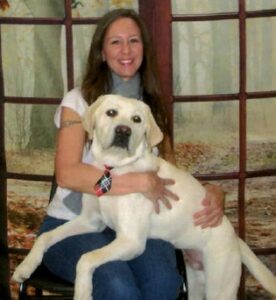
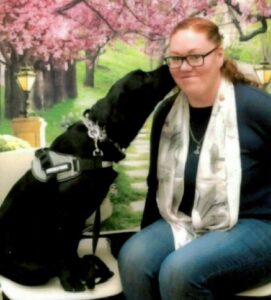
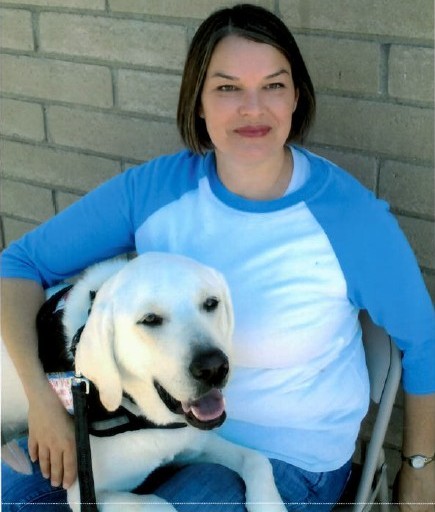
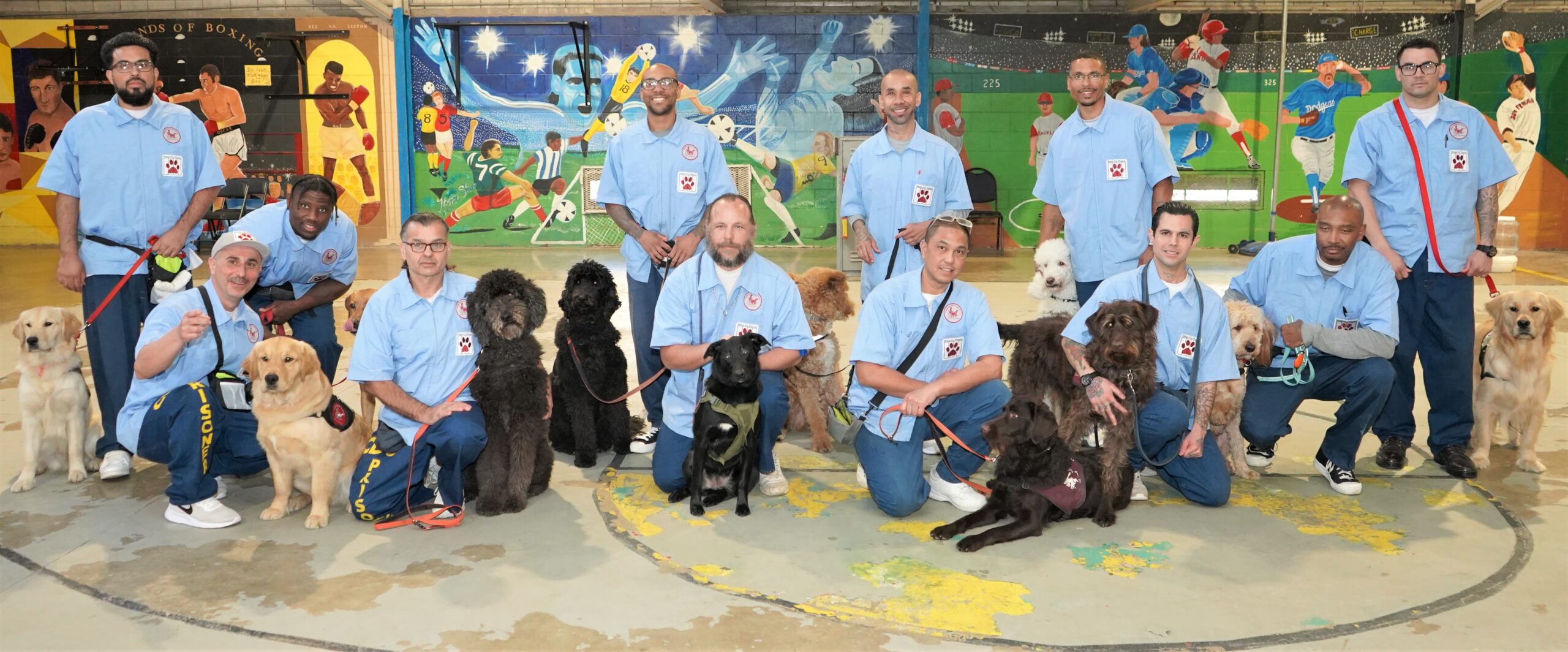
The CST family takes joy in the fact that, in addition to serving those with disabilities, the Prison Pup Program positively impacts the lives of select prison participants who are chosen to serve as training partners. The CST Prison Pup Program is a truly exceptional example of a “win-win” rehabilitation effort that really works.
Donate directly to Canine Support Teams’ Prison Pup Program to support rehabilitation efforts that really work!
In September of 2002, partnering with Canine Support Teams, the California Institution for Women in Chino, California, became the first prison within the state of California to have a Service Dog Training Program.
It is one of the longest standing service dog training programs in the nation. In June of 2015, Canine Support Teams started the program in the California Institution for Men, also located in Chino, California.
Canine Support Teams’ program serves as a model for all prison programs within the California Department of Corrections and Rehabilitation.
How does it work?
The dogs are assigned to a training partner at 18 months of age. All of the dogs have been raised in a Puppy Raiser home where they have been well socialized and taught basic obedience skills. Over the course of the next four to six months, the dogs live at the prison and are trained by their training partner.
The CST staff provides instruction to the handlers weekly, training them to become dog trainers and specialists in canine behavior and service dog training. Many of the selected trainers go on to pursue careers in the animal training and animal care industry. Furthermore, nearly every Prison Pup Program participant has stayed out of prison after their release.
program impact
This program has a profound impact on the dog, the inmate, the facility, the trainers, and ultimately, the handler who receives the dog. Participants regularly share how the program has impacted them.
They have shared:
Being able to contribute to such a fulfilling experience makes everyday feel purposeful and full of hope for something outside of myself
These dogs save lives inside and outside of prison
You see that undeniable light bulb go off for the dog that says, “I know what you want me to do, I got it.”
In learning the skills of dog training, I’ve learned a lot about myself. I’ve learned to be aware of my own body language, learned how to slow myself down and intentionally to not give mixed messages or confuse the dogs.
This program is integral to Canine Support Teams, and we are thankful for the opportunity to impact the inmate trainers and those who receive the service dogs.